



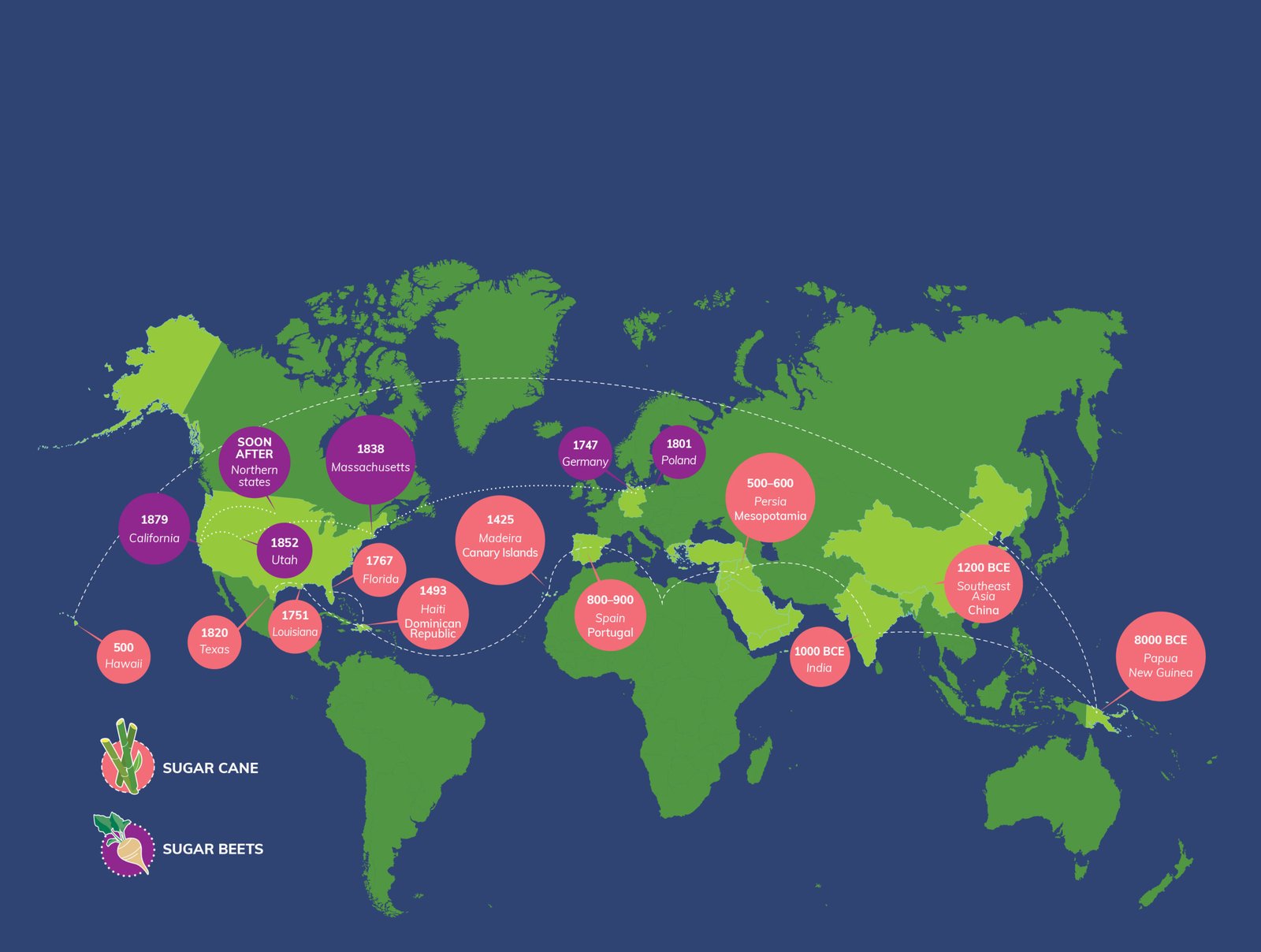
- 8,000 BCE – 600 CE
- 0 – 600 CE
- 640 – 900 CE
- 900 – 1150 CE
- 1390 – 1480 CE
- 1480 – 1501 CE
- 1540 – 1658 CE
- 1710 – 1770 CE
- 1801 – 1813 CE
- 1838 – 1850 CE
- 1852 – 1890 CE
- 1937 – 1946 CE
- 1951 – TODAY

0 – 100 CE
Crystallized sugar was found in medicinal records of both Roman and Greek civilizations; it was used to treat indigestion and stomach ailments.3
~350 CE
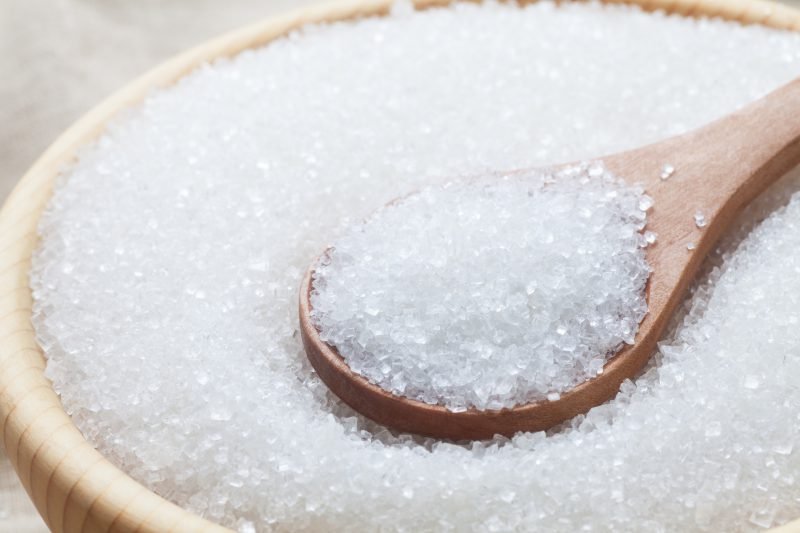
Sugar crystallized in India for the first during the Gupta dynasty.4
~600 CE
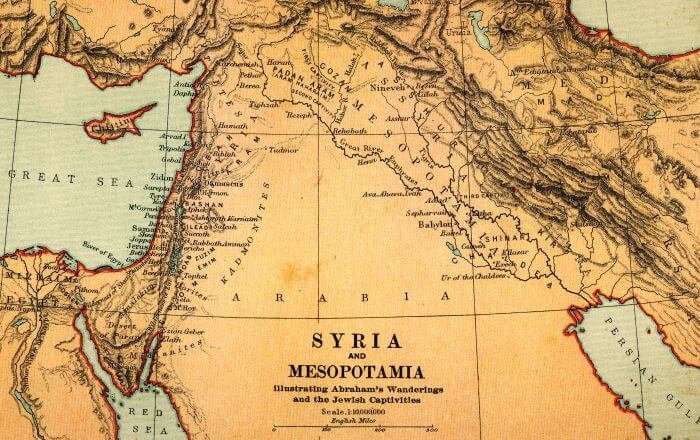
Sugar cultivation and processing methods reached Persia; techniques were spread into the Mediterranean by Persian expansion throughout Mesopotamia.5
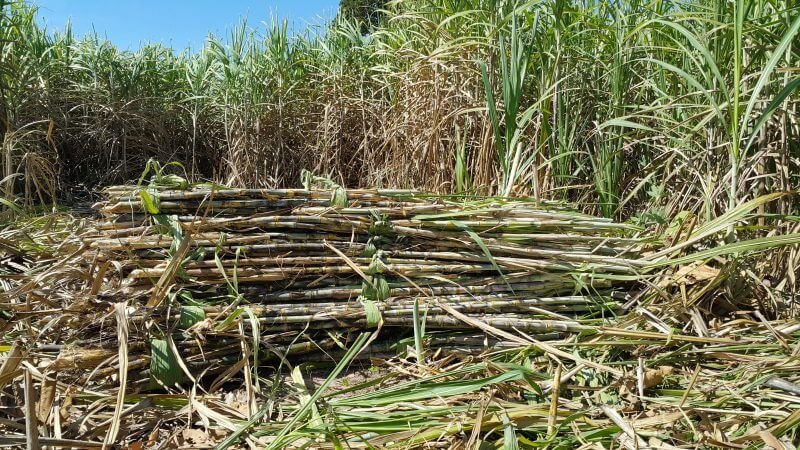
~640 CE
China developed its first sugar cane cultivation techniques using technology acquired from India.6
800 – 900 CE
Sugar cane was grown extensively in Southern Europe following the Persian conquest of the region; it was primarily grown in Sicily and Spain.7
900 – 1000 CE
Sugar cane cultivation practices spread to the Eastern Mediterranean (Cyprus) and East Africa (Zanzibar).8
1096 – 1099 CE
Crusaders returned to Europe from the Holy Land with prizes of sugar, called “sweet salt”.9
1101 – 1150 CE
Lebanese land estates near Tyre were established to grow sugar cane and export it to Europe.10 
~1390 CE
Advanced sugar presses were developed, doubling the amount of juice that was obtained from the sugar cane.11
1455 – 1480 CE
Sugar was cultivated for large-scale refinement for the first time in Madeira; by the end of this period, about 70 ships were involved in the Madeira sugar trade, and refining and distribution were based in Antwerp.12,13 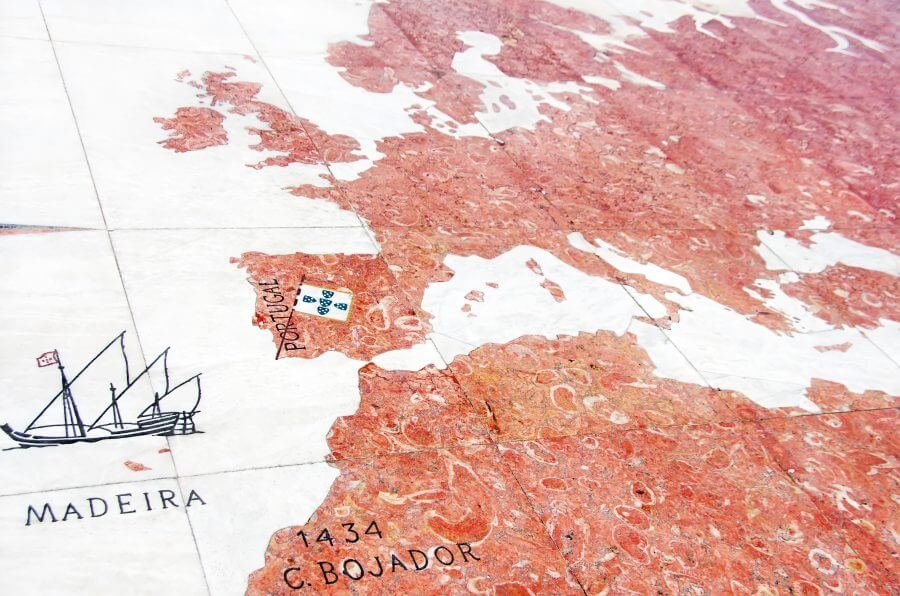
1480 – 1540 CE
The Portuguese brought sugar to the New World (Brazil).14
1501 CE
Hispaniola (Haiti/Dominican Republic) had its first sugar harvest.15 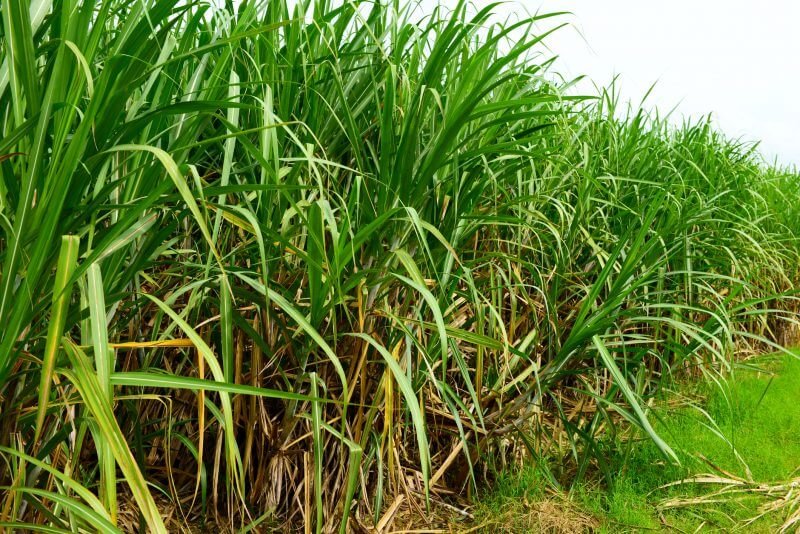
1540 CE
800 sugar cane mills were developed on Santa Catarina Island, along with another 2,000 mills along the north coast of Brazil.15
1550 CE
Approximately 3,000 sugar mills were built in the Caribbean and South America.15 
1658 CE
Dutch colonists introduced sugar cane to South America and the Caribbean (Barbados, Virgin Islands).16
1710 – 1770 CE
Sugar became an extremely popular commodity, representing 20% of all European imports; toward the end of the century, the British and French colonies in the West Indies produced 80% of the sugar.17
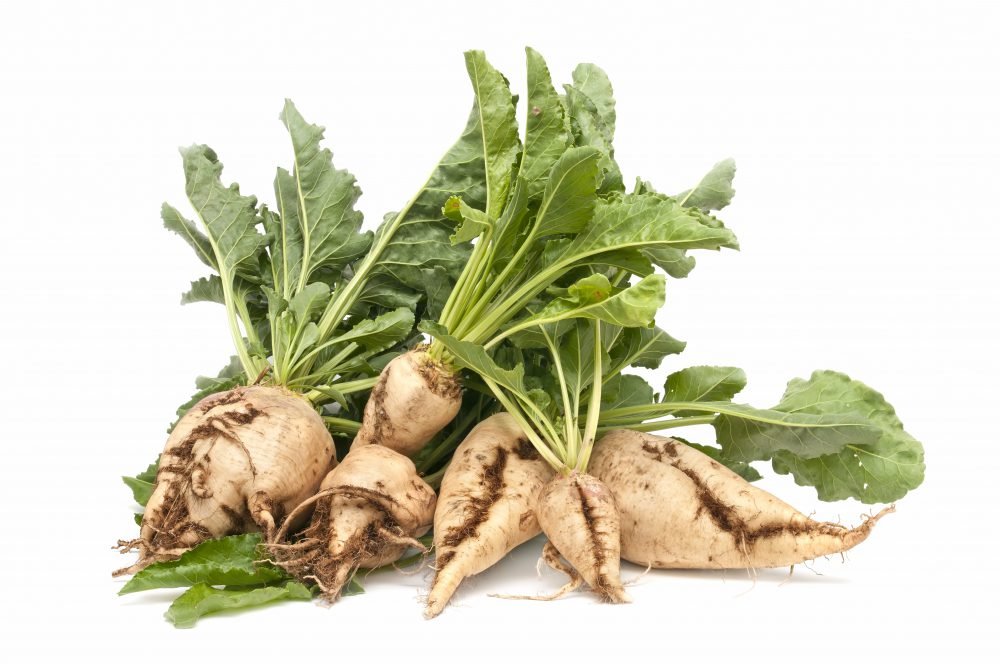
1747 CE
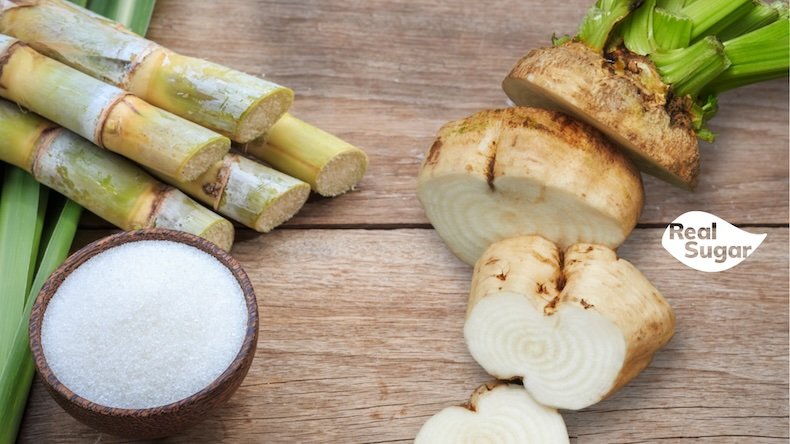
German chemist Andreas Marggraf identified sugar in beet roots.18
1751 CE
Sugar cane was brought to Louisiana, making it the final sugar colony.1
1768 CE
The first steam-powered sugar mill was constructed in Jamaica.19
1801 CE
Marggraf’s apprentice, Franz Karl Achard, built Poland’s first sugar beet processing facility.20
1813 CE
Edward Charles Howard invented a more fuel-efficient method of refining sugar, which boiled the cane juice in a closed kettle heated by steam and held under partial vacuum; it was called “Howard’s vacuum pan.”21 
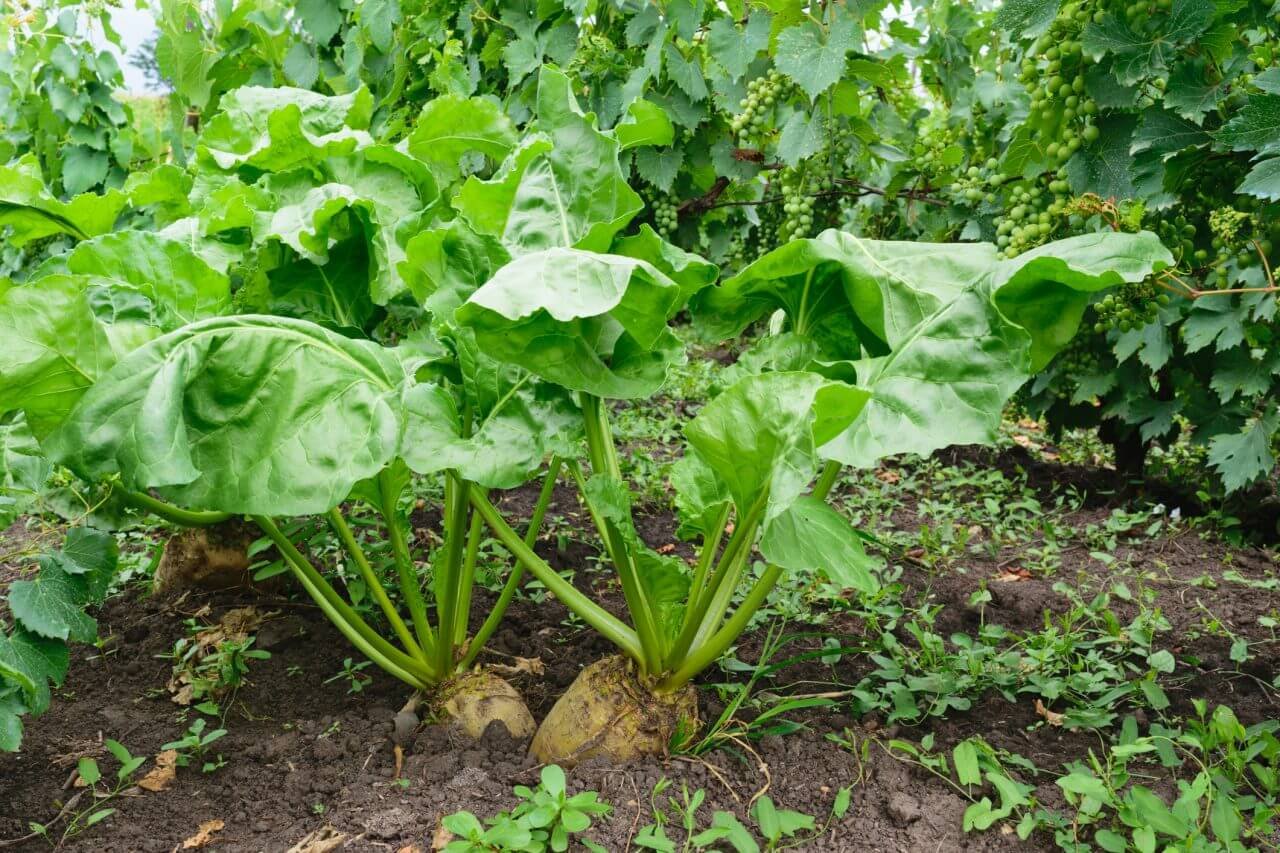
1838 CE
David Lee Child built the first U.S. sugar beet factory which was in Northhampton, Massachusetts.22
~1850 CE
Cuba became the richest land in the Caribbean; it was the only major island free of mountainous terrain and ideal for sugar cane production.23 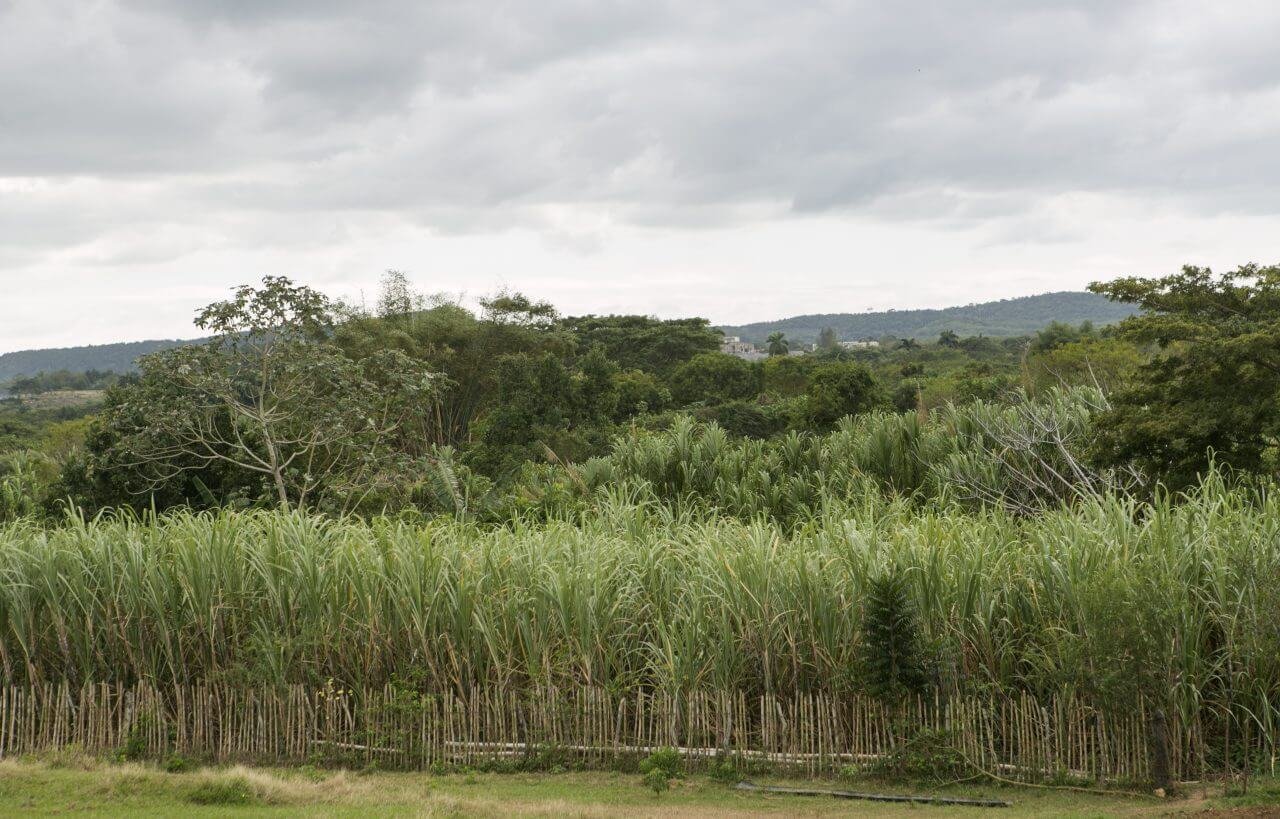

1852 CE
David Weston became the first to use Hawaiian centrifuges to separate sugar from molasses.24
1870 – 1890 CE
The first successful commercial sugar beet production in the U.S. began in central California. By 1890, sugar beet factories were established in Watsonville and Alvarado.25 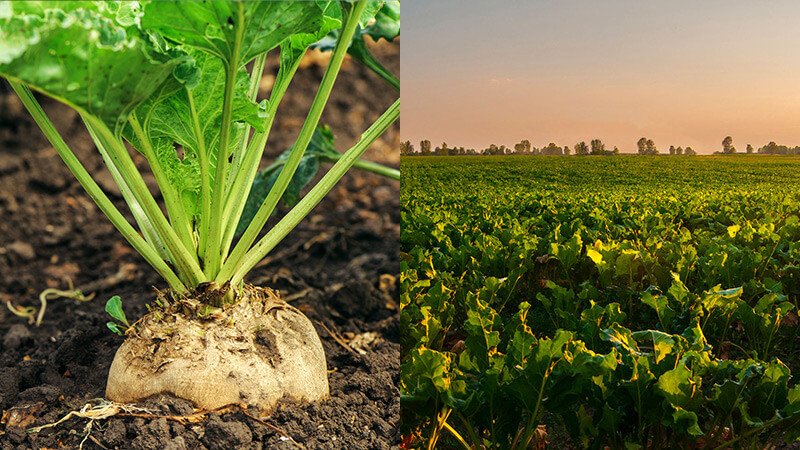
1937 CE
In Peru, W.R. Grace Company developed the first industrial-scale conversion of bagasse into paper.26
1938 – 1946 CE
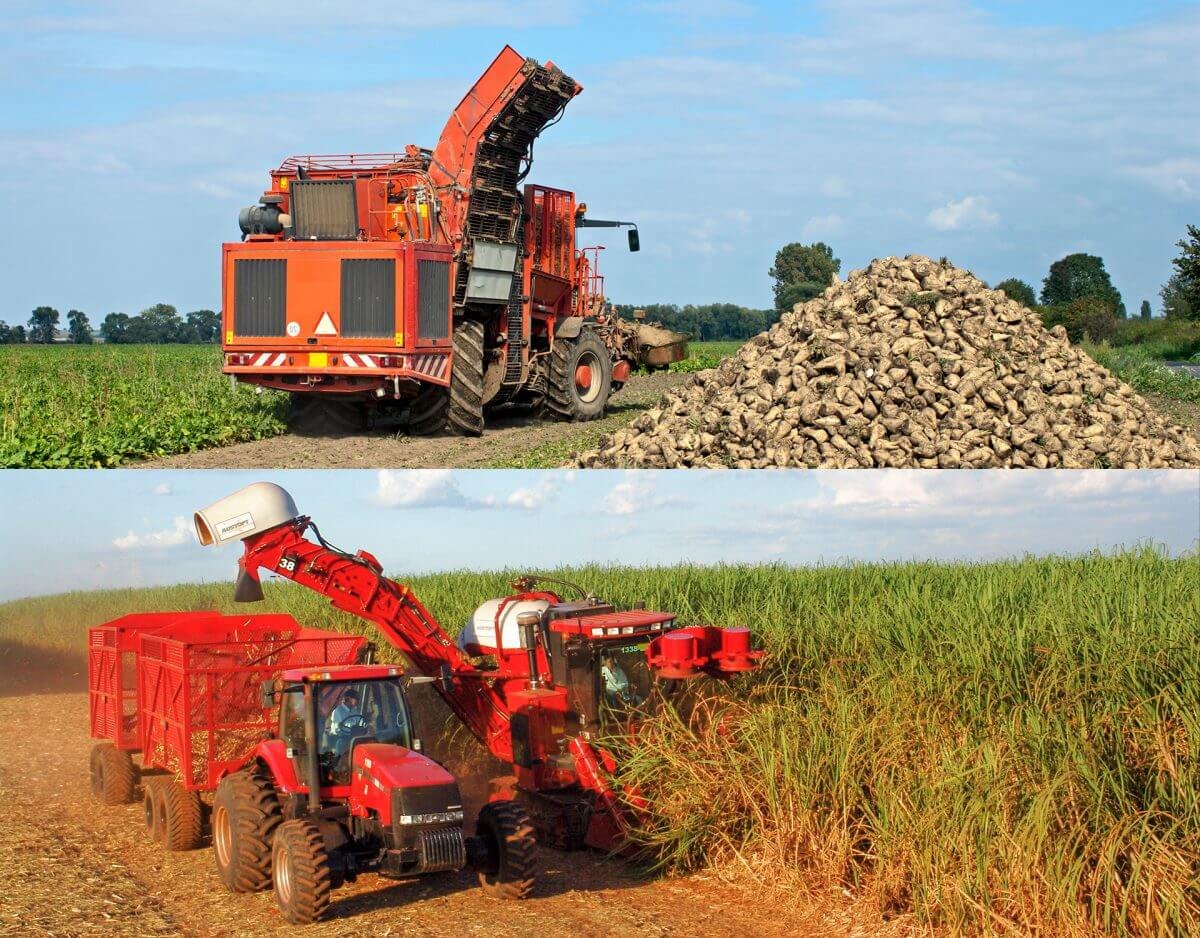
The mechanization of sugar cane cultivation began when 16 whole stalk harvesters were successfully used to harvest cane in Louisiana in 1938, and by 1946 (because of wartime labor shortages), 422 whole stalk machines cut 63% of the crop in Louisiana.27 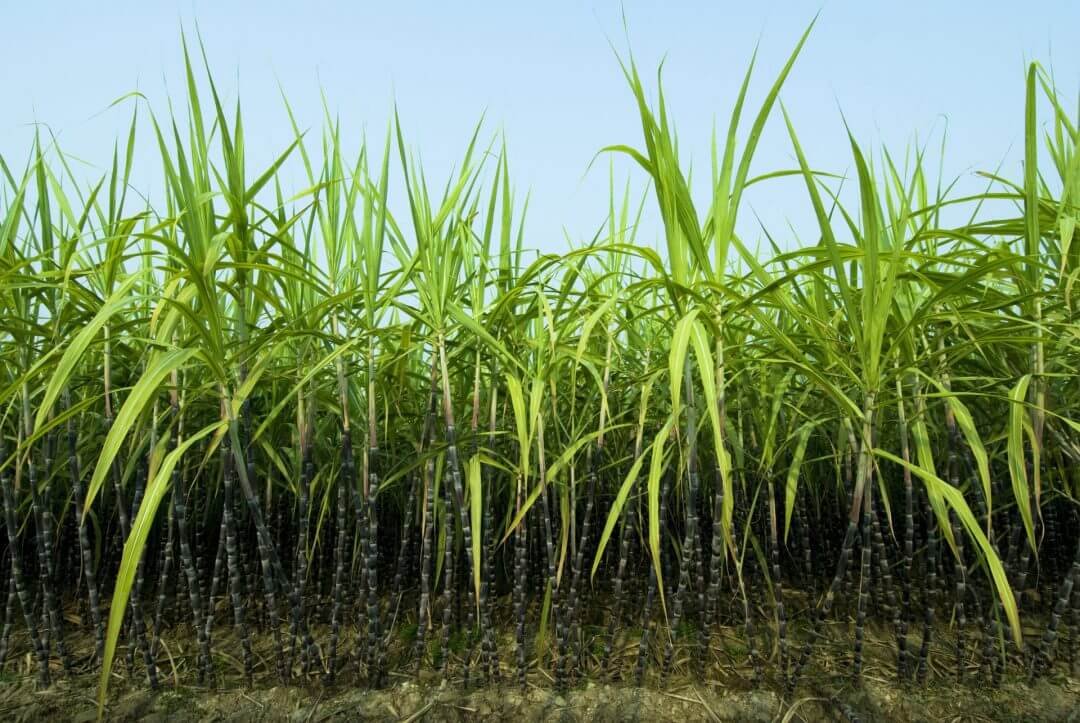
1951 CE
The Sugar Research Foundation patented colorless sterile invert sugar.28
1966 CE
The first bagasse diffuser, based on the existing technology of Egyptian diffusers, was installed in South Africa.29
2016 CE
December 12, 2016 marked the last sugar harvest in Maui. After more than a century, Hawaii will no longer produce sugar.
TODAY
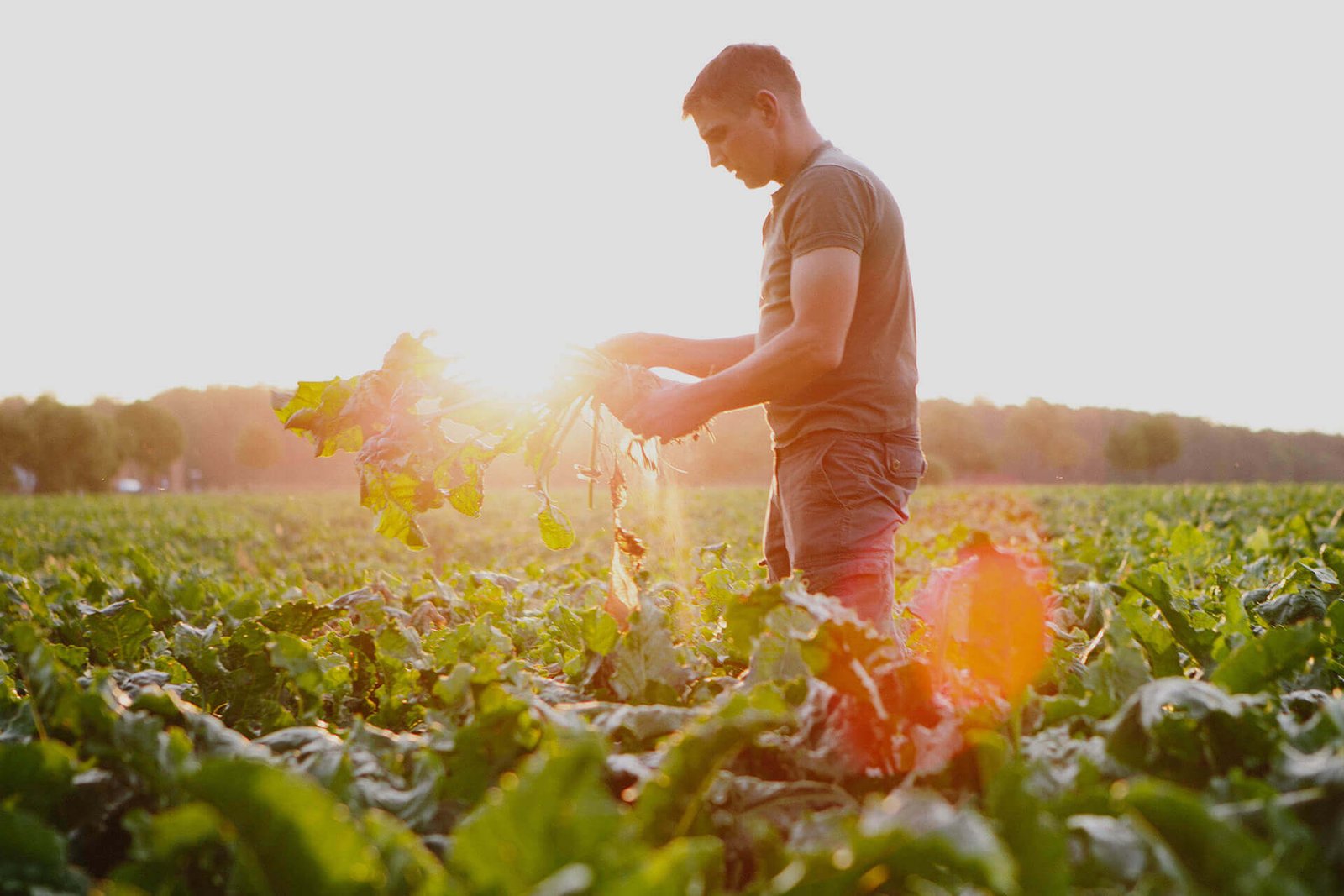
Sugar beet and sugar cane yields continue to improve with modern varieties of the plants and advances in agricultural technology.