





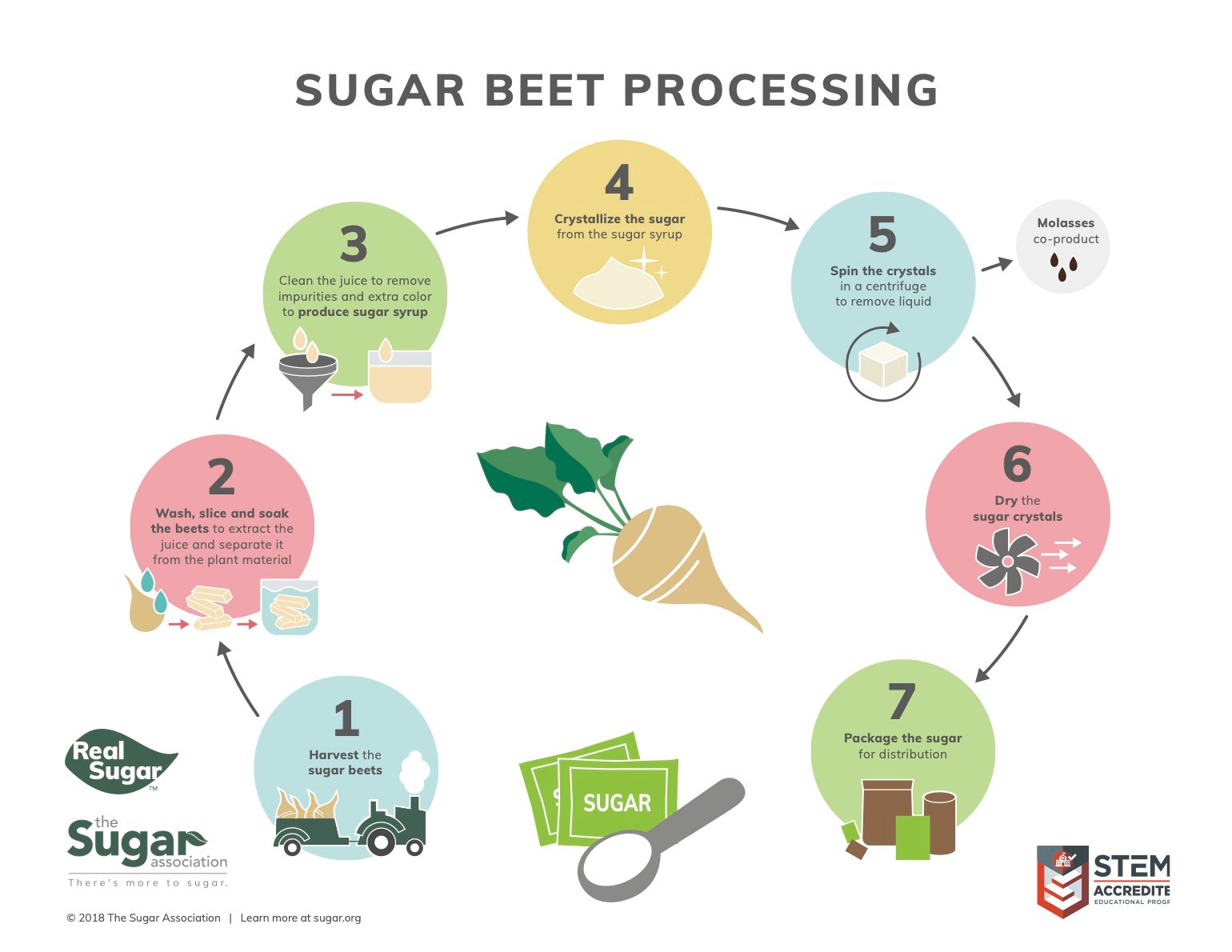
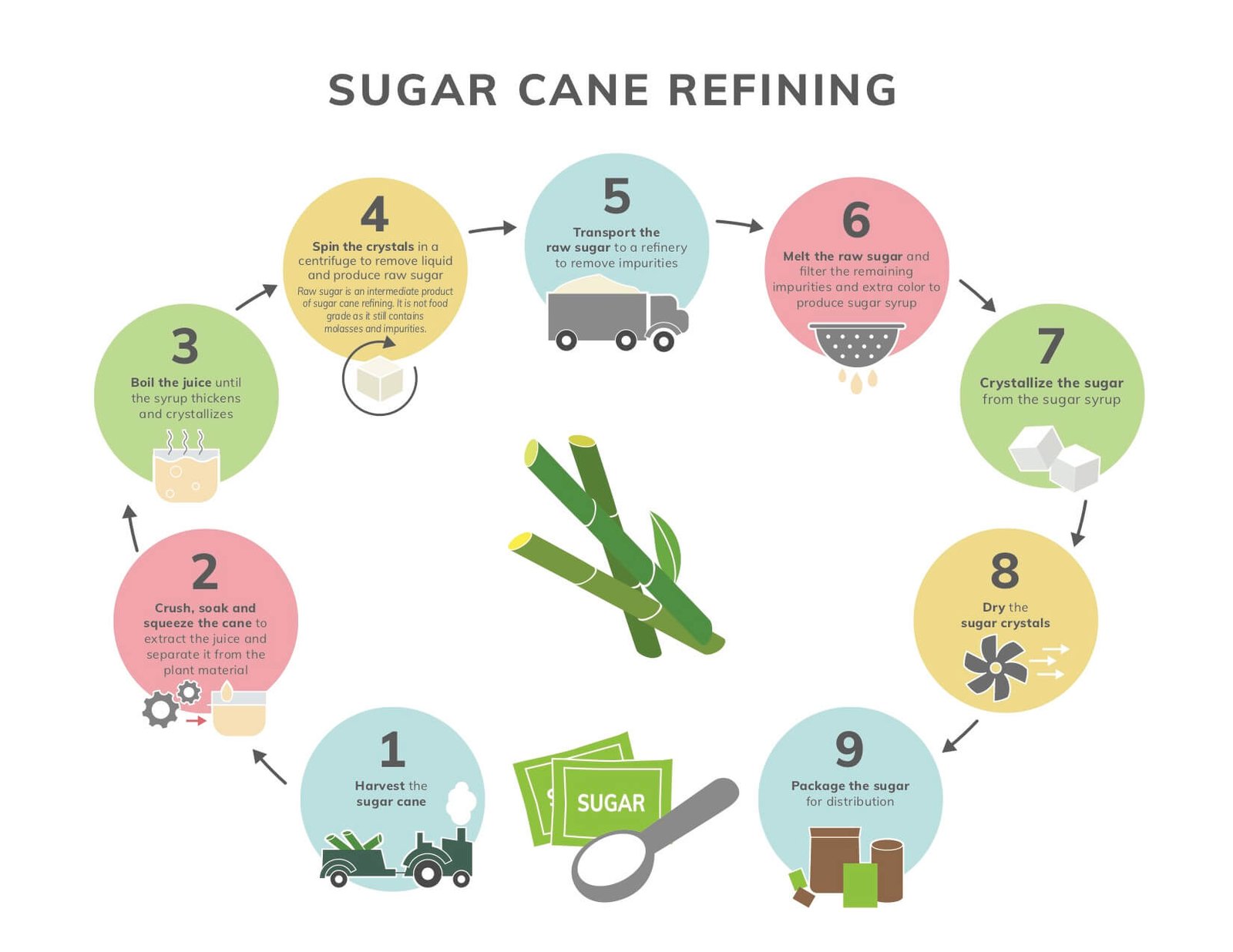

Molasses, used by feed companies, bakers, distillers and pharmaceutical companies, for animal feed and many more products, is extracted through the beet and cane sugar refining processes. It takes about four rounds of extraction to remove the molasses to obtain the maximum amount of sucrose.

Molasses, used by feed companies, bakers, distillers and pharmaceutical companies, for animal feed and many more products, is extracted through the beet and cane sugar refining processes. It takes about four rounds of extraction to remove the molasses to obtain the maximum amount of sucrose.
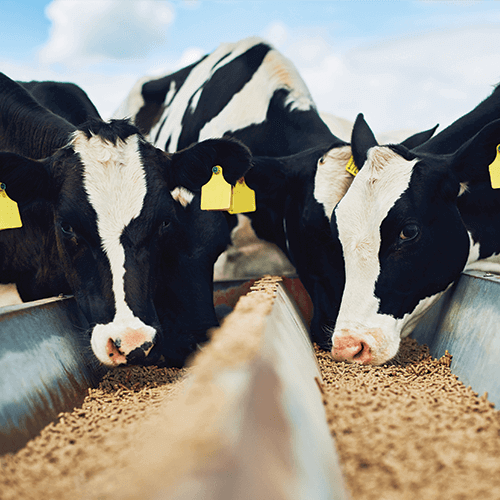
The sugar beet residue, or pulp, is generally used for animal feed or further processed for use as other carbohydrate-based products.
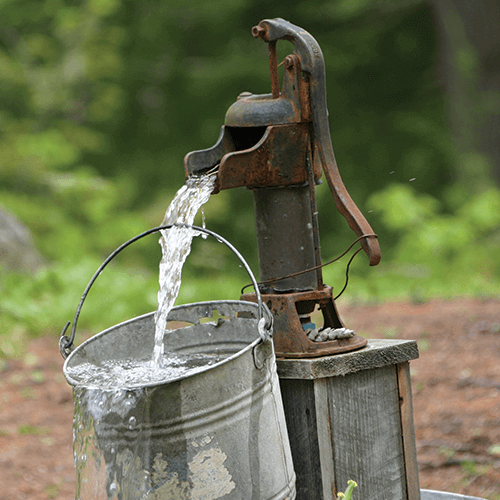
In addition, much of the water removed along the way still contains sucrose (called “sweetwater”), so it’s pumped back into the stations to be used again.

Carbon used in sugar cane filtration is recharged (revivified) and reused too.