






“Bagels. Pasta. Bread. Freshly baked vanilla cake. Ice cream. All of these are examples of humanity’s best friend and worst nightmare: Sugar.
…sugar holds a rather negative reputation… but why?
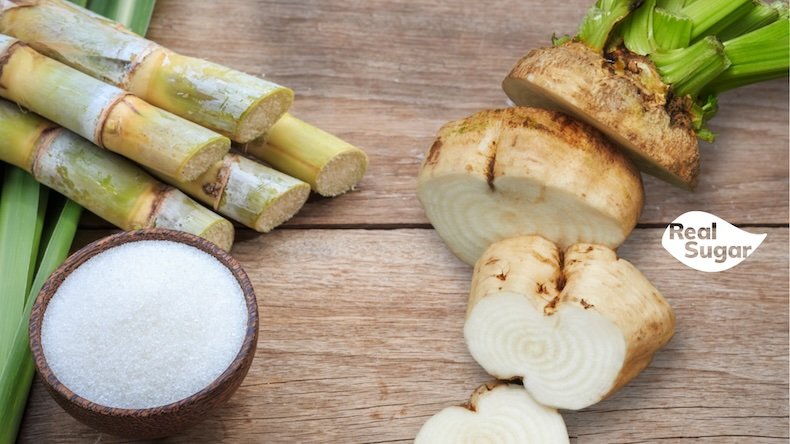
Firstly, What Even Is Sugar? This was the first question I harassed Google (and Google Scholar, his cousin) with. Given the vast amount of sources on the internet, it took me a while to narrow down a couple true answers. To put it simply, sugar is sucrose: the simple carbohydrate we love and that is produced naturally in all plants, including fruits, veggies, and even nuts (The Sugar Association). This would include foods such as carrots, walnuts, apples, blueberries, and even lettuce! Of course, the amount of sugar these foods contain will vary depending on their genetics (yes, your apples have DNA just like you do) but that’s something to not be super concerned about – and I’ll explain why later on. Aside from being found in everything carb-related, “Sugar’s chemical structure contains just two molecules: one molecule of glucose bound to one molecule of fructose” (The Sugar Association).
Listen, this article isn’t me telling you sugar is bad or that it’s good. Sugar is a carbohydrate in its most basic form, and it’s an essential molecule that we need to consume to live. That being said, there is a difference in the quality of carb found in a chocolate-chip sea salt cookie and that of a bowl of oatmeal, even if they are (somehow) the same in caloric density…Listening to your body, understanding moderation, and understanding that food is never the bad guy is the kind of relationship that can build a healthy lifestyle that will last for years to come.”
Read the full article here: https://www.newhaven.edu/news/blog/2025/beatrice-glaviano-talks-sugar.php