
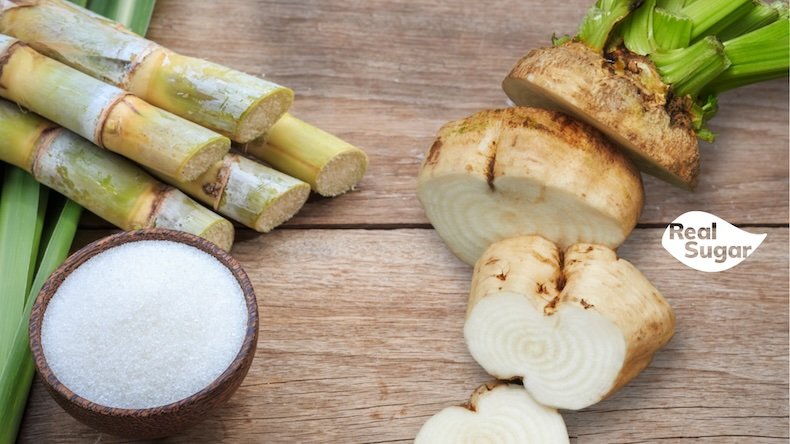



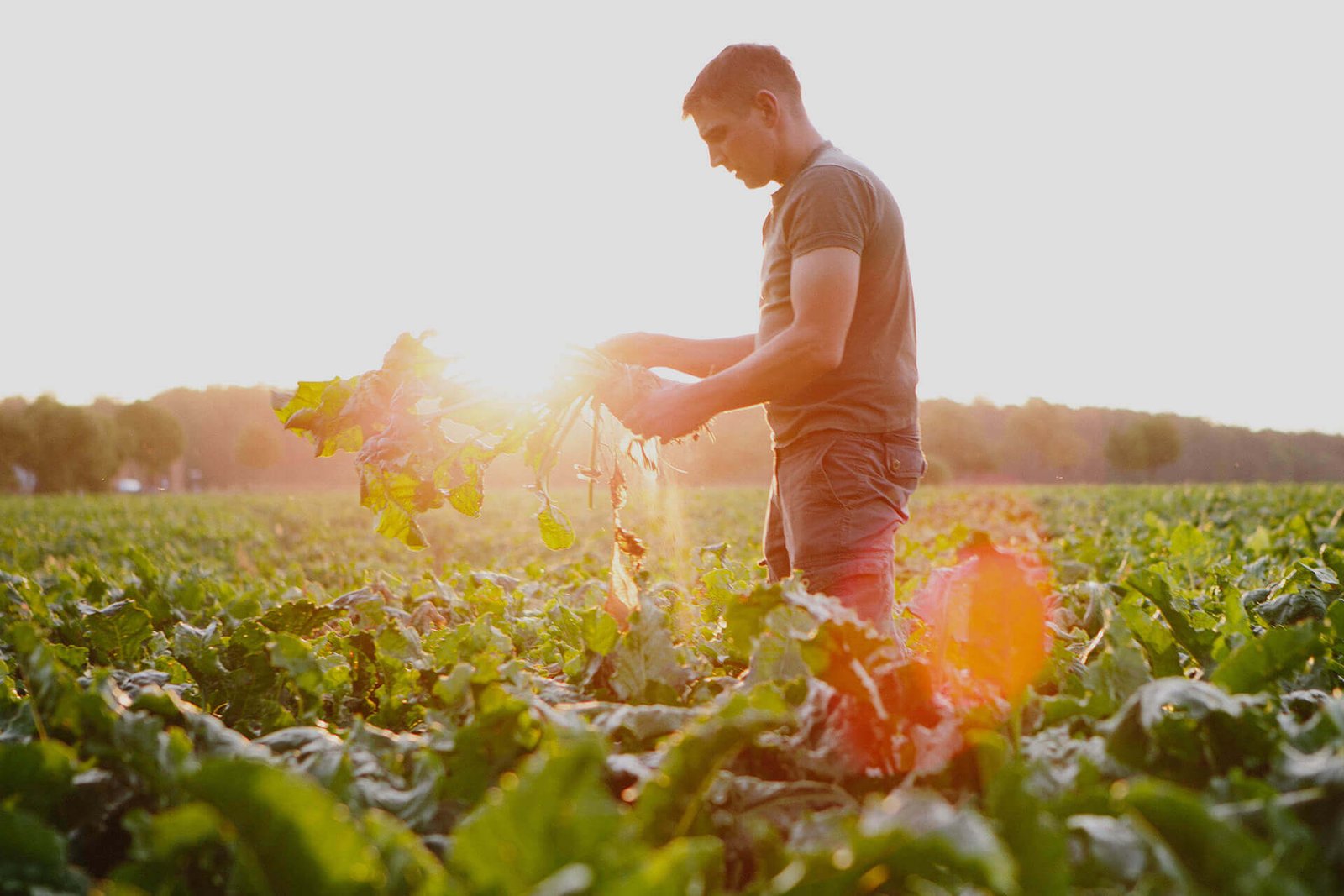


October is National Co-Op Month, when we get to celebrate an important but sometimes overlooked piece of our industry. Many of America’s sugar beet and sugar cane farmers are members of co-ops, but most people don’t know what they are or the vital role they play in helping get real sugar from the fields to our tables.
What is a Co-Op?
Agricultural co-ops are community-focused organizations owned and operated by their members. In the case of sugar beet and cane farmers, co-ops allow individual farmers to pool their resources and leverage collective strength to increase production and marketing efficiencies.
To be a member of the co-op, a farmer must buy or rent shares – pieces of ownership – that permit them to sell their sugar beets or cane into the co-op. This system allows farmers of all sizes to be equally represented. The shares of a small family farm have the same value and power as the shares of a very large farm. Each share has an equal vote.
Working Together for a Common Goal
Co-ops help farmers work together to manage both planting and harvesting. For sugar beet farmers, the co-op estimates the amount of sugar it thinks it can sell upon harvest. An allotment of sugar beet acres is assigned based on the number of shares a farmer has. Typically, one share is equal to one acre.
Sugar cane co-ops work to effectively spread cane harvest throughout their season and can coordinate staggered approaches for large farms and ranches, or one-time harvests for small farms or even tiny cane fields grown by local schools.
While farmers operate their own acres, the co-op typically owns the factory, raw sugar mill, or refinery to which the crop is sold and in which the sugar beets or cane are processed. Shareholders receive a percentage of the final sales based on their number of shares.
In addition to marketing and selling the finished sugar products – including white granulated sugar, confectioners’ sugar or brown sugar – co-ops also market and sell co-products of sugar production, like molasses and, in the case of sugar cane, bagasse, which can be used to make compostable plates, bowls and takeout containers.