
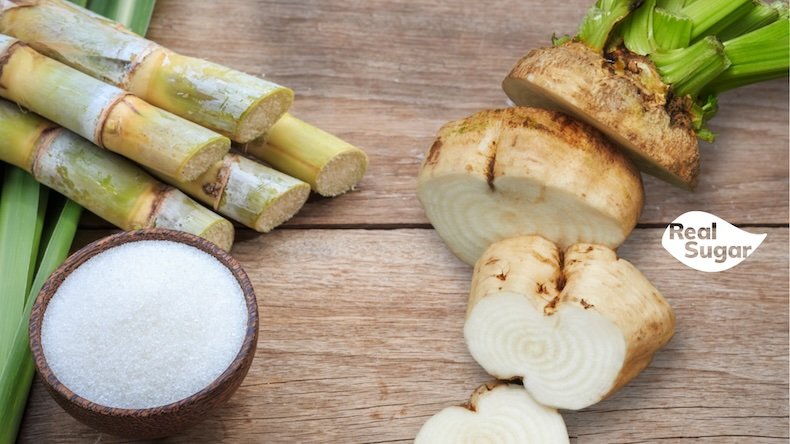





Baltimore’s waterfront was once the city’s economic engine, producing canned oysters, spices, umbrellas, garments, hats, ships and steel. One by one all of them shut down or moved except for Domino. The Baltimore plant survived years of demonization when sugar was variously called toxic and a poison, and blamed for obesity, diabetes and heart disease. Sentiment eventually shifted, with scrutiny focused on corn syrup and artificial sweeteners. Cane sugar, what O’Malley called “real sugar,” is having a new and favorable moment. “Consumers have become more in tune with what they eat,” said Courtney Gaine, president and CEO of the Sugar Association, a trade group representing growers and processors. She said obesity has increased even as sugar consumption has decreased. (According to the National Institutes of Health, sugar consumption decreased significantly from 1999 to 2008, but remained above recommended levels; a 2020 Harvard study found the percentage of heavy consumers of sugary beverages fell significantly between 2003 and 2016.) “The idea that a single focus on reducing added sugars will solve all of our health problems hasn’t really panned out,” Gaine said. “When consumers stop and think about it, real sugar makes more sense than the rapidly increasing sweetener alternatives,” she said, including beet sugar as “real.” “As long as real sugar is consumed as part of a balanced diet, consumers like the fact that real sugar is grown, not made.”
Read the full article here: https://www.thebaltimorebanner.com/economy/businesses/domino-sugar-plant-new-silos-QC6TTREN65APPC2S7HHCFZQRCE/