






Sugar? Sugars? Added sugars? Alternative sweeteners?
What are sugars?
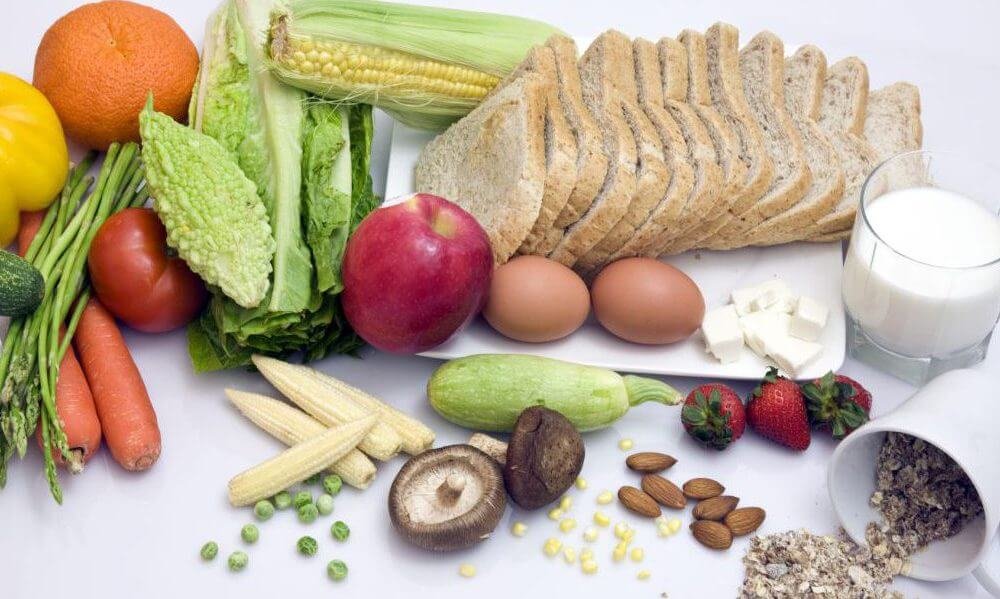
Sugars is a term referring to a broad category of all mono- and disaccharides: the simplest carbohydrates. Monosaccharides include glucose, galactose and fructose, and disaccharides include sucrose, lactose, maltose and trehalose.1 Sugars can be naturally occurring (e.g,. found in fruits, vegetables, dairy products and nuts); they can be extracted from plants and dairy and added to foods; or they can be manmade using various plant or dairy ingredients as a starting point.
What is sugar?
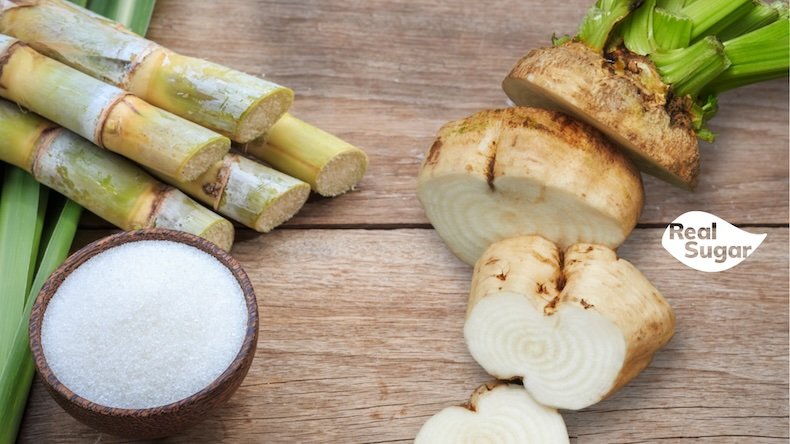
By definition, sugar is sucrose, a disaccharide, made up of two sugars (glucose and fructose) bound together, that is naturally made by and found in all green plants. Sugar found in the food supply is harvested from sugar beets and sugar cane.
What are added sugars?
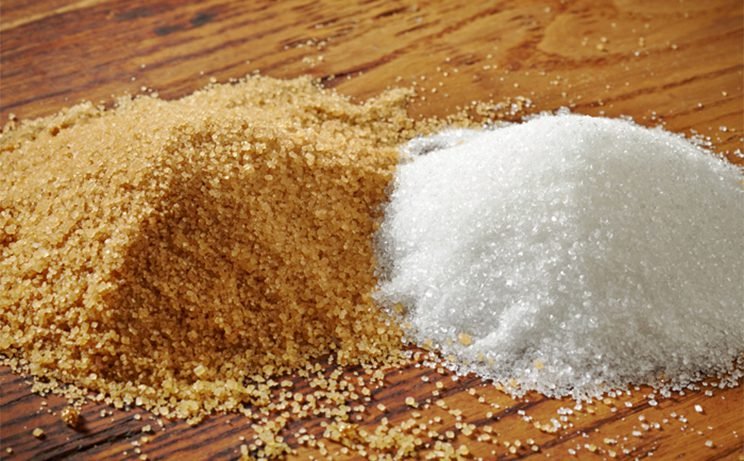
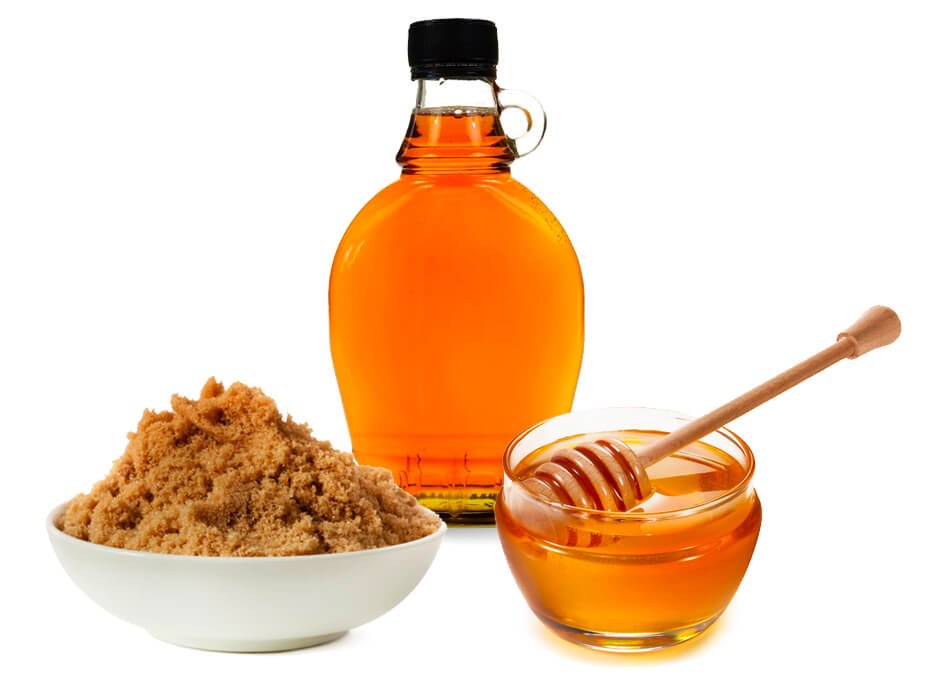
Added sugars includes a variety of caloric sweeteners, including sugar and many others sweeteners that are classified as sugars. Added sugars do not include non- and low-calorie sweeteners. The term “added sugars” was defined by the Food and Drug Administration (FDA)2 in 2016 as: sugars that are added during the processing of foods, or are packaged as such, and include sugars (free, mono- and disaccharides), sugars from syrups and honey, and sugars from concentrated fruit or vegetable juices that are in excess of what would be expected from the same volume of 100 percent fruit or vegetable juice of the same type.
Some specific examples of FDA’s definition of added sugars include:
- agave nectar
- brown rice syrup
- brown sugar
- coconut sugar
- glucose*
- sugar
- fructose*
- honey
- invert sugar
- lactose*
- maltose*
- glucose*
- sucrose*
- maple sugar
- molasses
- nectars
- raw sugar
- dextrose
- malt sugar
- rice syrup
- high-fructose corn syrup
- white granulated sugar
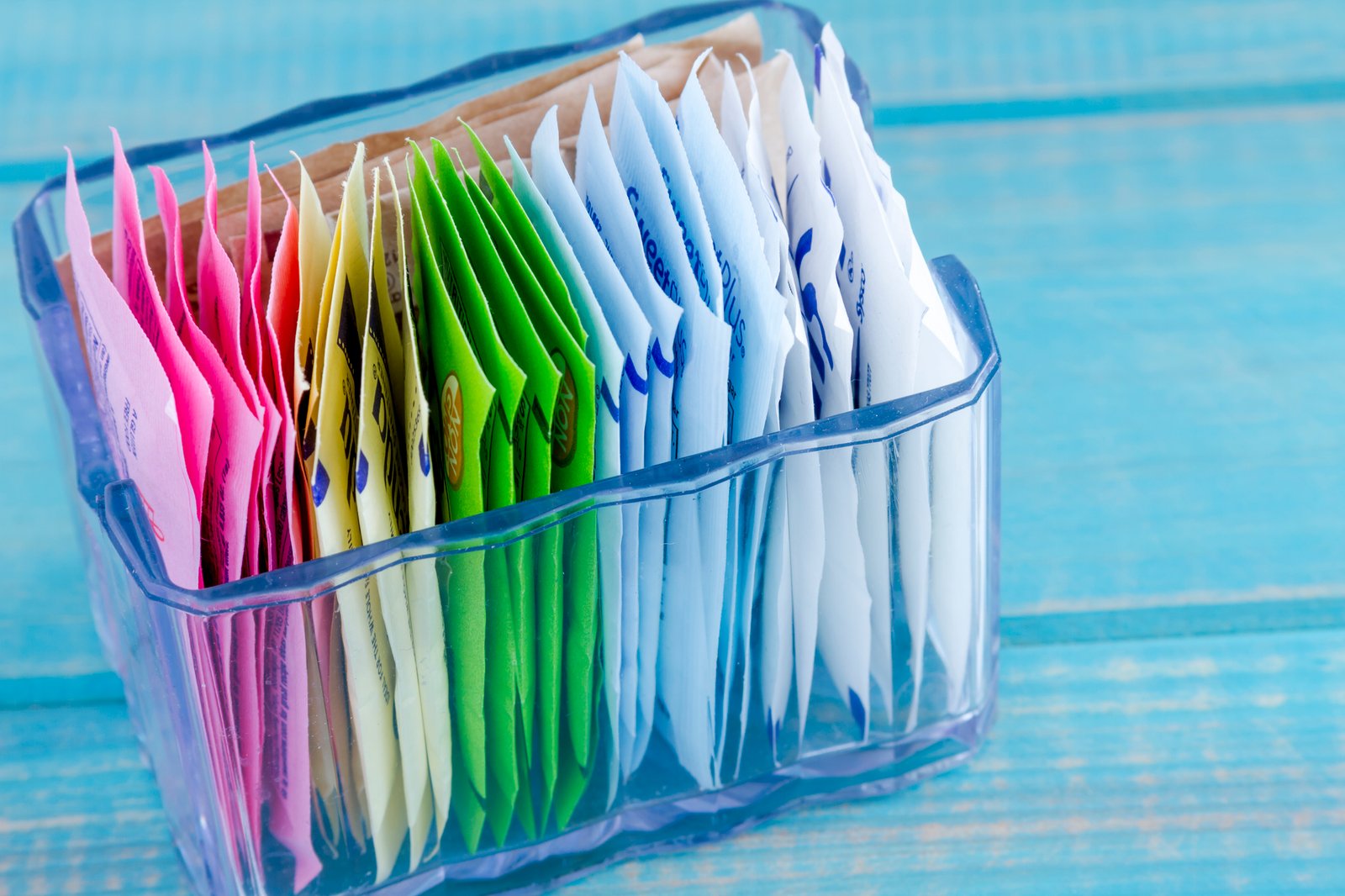
What are alternative sweeteners?
There are many different alternative sweeteners. They are hard to find because you have to be familiar with the names of them and know to look for them on the ingredients list. Sugar alcohols are the only alternative sweetener that might be disclosed on the Nutrition Facts Label, and this disclosure is only required when a “sugar-free,” “no added sugar” or other sugar claim is made on the packaging. For more information on the sweeteners you might find in your food, including how they are made, click the link below:
References:
Demand clear labeling of artificial sweeteners
Positions & Principles Campaign for Sweetener Transparency Demand clear labeling of artificial sweeteners Did you know that U.S. law doesn’t […]
Learn More 🡢What Is Sugar?
You may have heard the term “sucrose” at one point or another—but what is that, really?
Learn More 🡢